
TIZ B2B
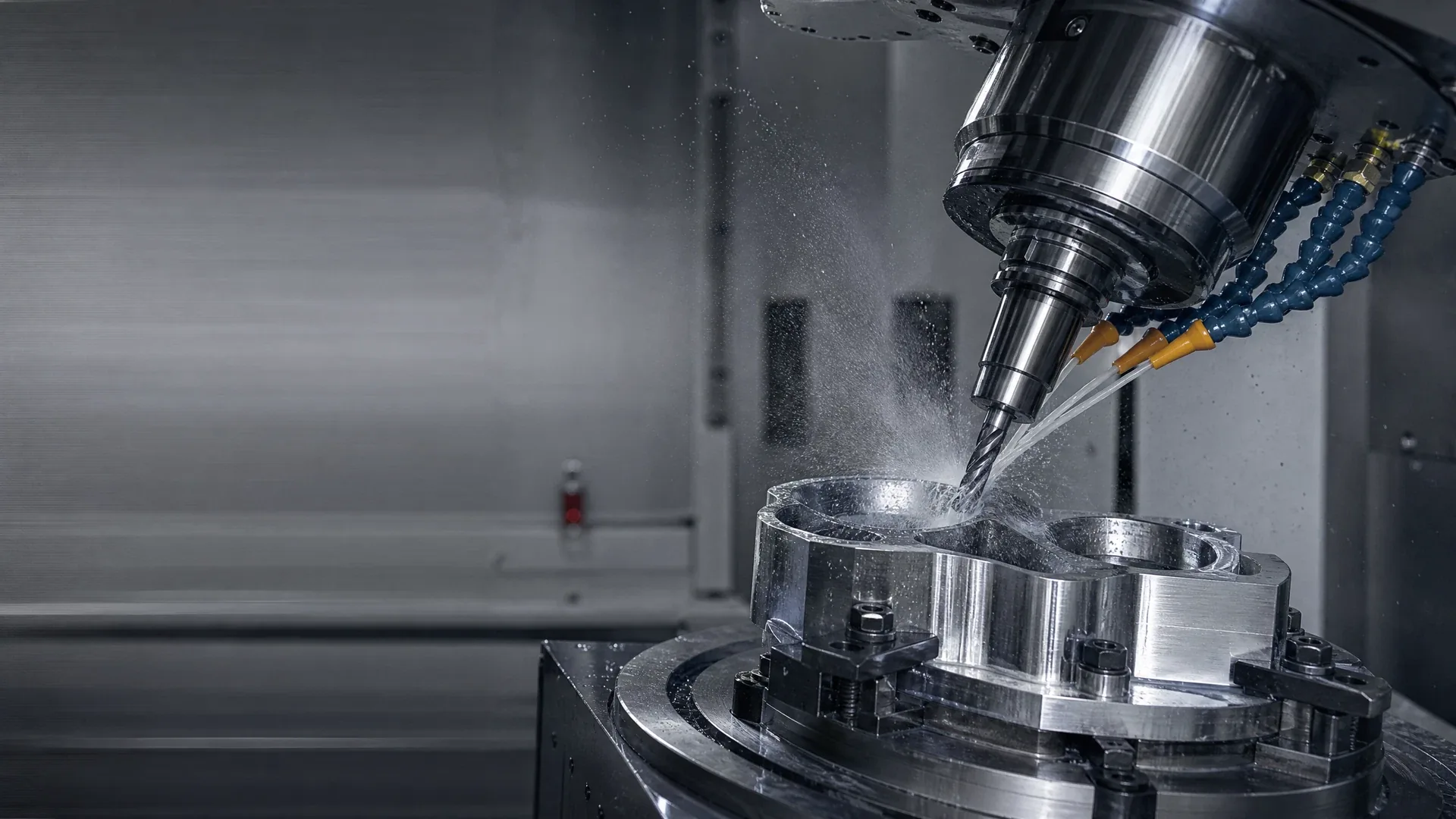
CNC machining
TIZ IMPLEMENTS / CNC

We spec tools and process to the part — not to a catalogue headline.

We help manufacturers improve machining productivity and repeatability — from tooling and workholding selection through process prove-out and on-machine implementation.

1995WarsawB2BTIZ B2BCNCCNC machining solutionsEUWarsaw / Europe
TIZ / CNC

One responsibility for the entire process.

Cutting tools+Toolholding systems+Workholding systems+Digital manufacturing software+Process design and optimisation
02 / STEP

From the first enquiry to repeatable production.

We do not start with a catalogue number: the tool is part of the stack, not the starting point. We begin with the operation and process constraint, then test the stack on the actual machine or flag the missing data plainly.

STEP 01

We understand the part.

A precise description of the operation and what currently limits quality, access, repeatability, chip evacuation or the programme is enough to start; a drawing or 3D model helps but is not a requirement. We gather the material, feature and tolerance, then map the operation chain from material entry to checking the required feature.

We establish: an input note describing the operation, constraint and information needed for further selection.

We do not close the selection before the machine conditions are understood.
STEP 02

We specify the process stack.

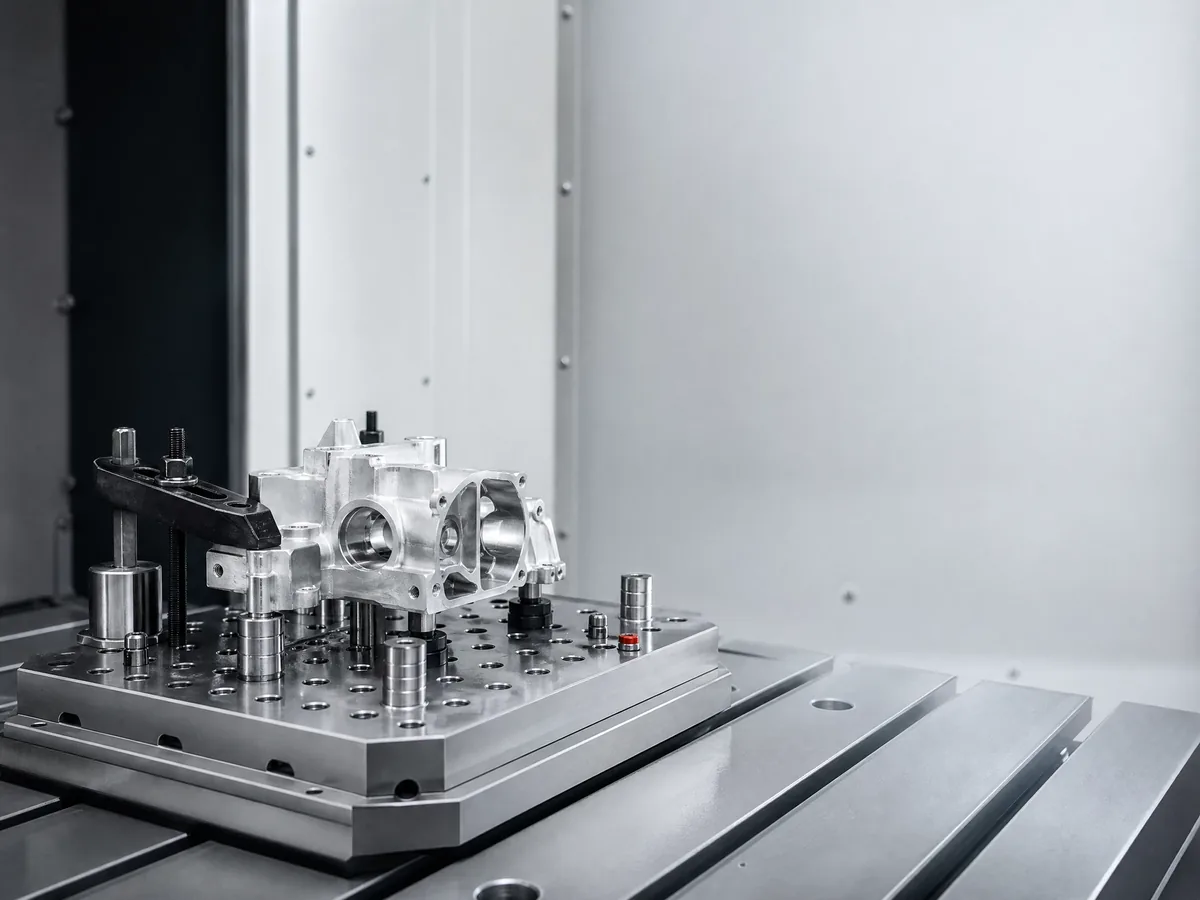
We specify the cutting tool, the toolholding system in the spindle, the workholding system — including part location and clamping — and programme strategy for that machine. We check the operation chain, access, projection length, internal or external coolant conditions, and what still needs confirmation on the machine.

We establish: a selection report covering the method, operation chain, tool-and-toolholder set and points to confirm on the machine.

This is not a single-SKU choice.

STEP 03

We prove it on the machine.

We check the prepared stack on that machine against the agreed acceptance criterion, then hand over what was confirmed, what was adjusted and what remains with the production team. Where a trial cannot take place, we state that status and the inputs required to plan it.

We establish: a trial protocol with the acceptance criterion, post-trial findings and scope of further action.

This step does not replace a production-capability audit or make claims about a series result beyond the scope of the trial.

03 / CASE STUDIES

Verification before result.

Case studies
CASE STUDIES / TIZ

Case studies pending approval.

Every case study will use Context / Approach / Verification / Result. Selected filter: Case studies. We publish only materials and data approved by TIZ.

Case studies
TECHNICAL CONVERSATION

Three starting points for a conversation

The cards below do not describe customers, parts or outcomes. They show three ways to structure a conversation before specifying a process stack for a particular operation and machine.

01NOT A CASE STUDY

Part and feature in operation

We begin with the material, required feature, tolerance and place of the operation in the overall machining route. This establishes what information is needed before a tool catalogue number enters the discussion.

Not to be confused with: an implementation description, an approved case study or a claim about cutting parameters.

02NOT A CASE STUDY

Process stack on that machine

We consider the tool, toolholding, workholding and programme strategy as a stack operating in that particular operation and on that machine. We distinguish retaining the tool in the spindle or turret from locating, supporting and clamping the workpiece.

Not to be confused with: selecting an SKU alone or replacing process analysis with a catalogue.

03NOT A CASE STUDY

Trial or clear information gap

The criterion for this conversation is a machine trial or a clear statement of the information still missing before it can be planned. We do not replace this with a slide, an outcome promise or a generalisation to other machines, parts or production runs.

Not to be confused with: a confirmed customer outcome or a published case study.

Enter TIZ B2B
04 / KNOWLEDGE BASE

Knowledge before selection.

Knowledge base
KNOWLEDGE BASE / 01

Cutting tools

We specify the cutting tool from the feature and the complete machining chain, not from a toolholder or part clamp — diagnostics first, then SKU.

Talk to an engineer
KNOWLEDGE BASE / 02

Toolholding systems

We assess overhang and run-out in spindle toolholding, not cutting geometry or part fixturing — diagnostics first, then SKU.

Talk to an engineer
KNOWLEDGE BASE / 03

Workholding systems

We define the datum and part clamping, not the cutting tool or spindle toolholder — diagnostics first, then SKU.

Talk to an engineer
CNC fixture
05 / TIZ

Engineering house since 1995.

Responsibility for the process, not a catalog position.

About
FAQ

Questions before selection

The practical distinctions that should be clear before a selection is considered.

TIZ B2B / VERIFIED CUSTOMER ACCESS

Business access begins with customer verification.

TIZ B2B is the separate application for verified business customers. It will bring together sign-in, customer identification, e-catalogue access and business-process tools.

Access for verified customers

Access is issued after customer verification. Public visitors cannot submit tooling enquiries through this website.

Enter TIZ B2B